Scenic Mountain River Embroidery Art: A Designer's Review
First Impressions: The Sunny Charm
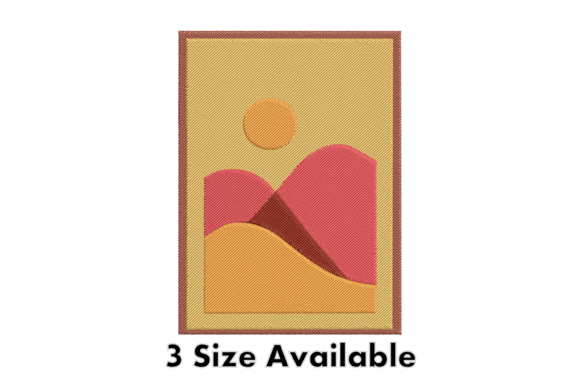
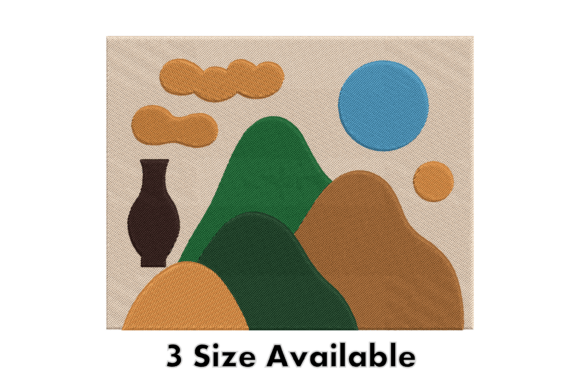
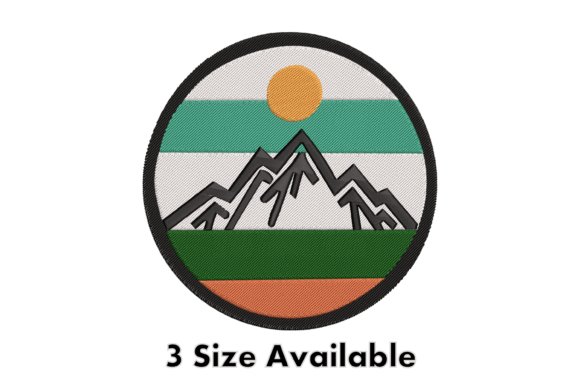
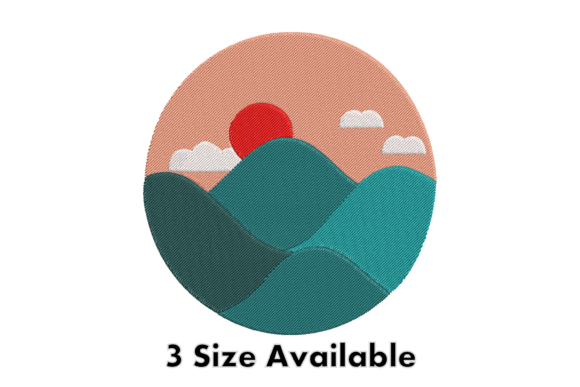
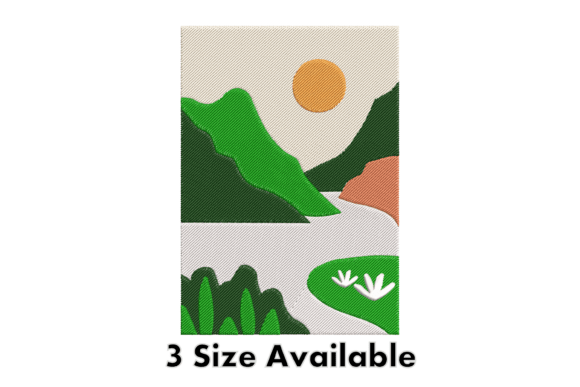
Opening this embroidery file, the immediate feeling is one of warmth and open air. The design isn't just a landscape; it's a mood. The flowing landscapes create a sense of motion and calm, a perfect blend of scenic detail and simple charm. For an embroidery designer looking for a design that feels welcoming rather than overly technical or cluttered, this hits the right note. The layout suggests it will stitch out with a clean, graphic quality, making it highly adaptable beyond its obvious Camping category. It feels like a design that belongs on something worn or used, something that invites a story.
The Natural Project Fit
Let’s talk real projects. I’m imagining a client request for a personalized gift—a custom tote bag for a nature-loving friend. This Scenic Mountain River Embroidery Art immediately comes to mind. The description notes it's ideal for tote bags, jackets, and pillows, and that feels accurate. Its sunny, approachable theme would translate beautifully onto a canvas tote, creating a high-value handmade product without being overly delicate. For small business owners stocking their Etsy listings, this design could anchor a whole line of craft fair products: matching sets of tea towels and pillow covers for a boutique "outdoor charm" collection.
For apparel decorators, consider a cozy fleece sweatshirt. The design's likely moderate detail level (inferred from the "flowing" description) means it won't become a dense, stiff patch on stretchy fabric if hooped and stabilized correctly. It would maintain the garment's comfort. This is key for custom apparel meant to be worn, not just displayed.
Where It Will Shine & Where to Exercise Caution
This embroidery design's strength is its versatility across classic embroidery project types. Baby clothes, like a denim jacket for a little one, could use this for a sweet, gender-neutral baby embroidery motif. Embroidered patches for hats or backpacks are another excellent application, especially if the available sizes include one that fits standard patch hoop dimensions. The sunny charm makes it a candidate for holiday embroidery gifts—think a kitchen towel set for a Christmas hostess who loves the mountains.
Practical Considerations for Stitching Success
However, a professional designer's job is to think ahead about pitfalls. The mention of a "river" and "landscapes" suggests possible areas of finer detail or longer running stitch lines. On highly textured fabrics like a thick blanket, those finer elements might lose clarity. On very dark fabric, the overall sunny mood depends heavily on thread color contrast; you'd need to test and possibly adjust palette choices to maintain that bright feeling.
For curved surfaces like caps, one of the three provided sizes would need to fit the cap's crown area comfortably. You must check hoop size compatibility. Tiny, intricate corners (think small rock details or tree branches) might require a keen eye on your machine's stitch execution and appropriate stabilizer to prevent puckering. Always, always test the design on scrap fabric first, especially if you're planning a run of small shop product for sale.
Impact on Your Business & Customer Perception
Using a design like this isn't just about stitching; it's about communication. For creative entrepreneurs, this embroidery file offers strong brand consistency if your shop theme is rustic, cozy, or outdoor-inspired. It looks professional and complete, which builds customer trust. A well-embroidered pillow cover with this scene feels like a thoughtful, personalized gift, increasing its giftability and perceived value.
For digital product sellers offering the file itself, the design's clear theme and implied stitchability make for excellent printable mockups. Showing it on a tote bag and a jacket in your preview images demonstrates its versatility, boosting buyer engagement. It’s a design asset that promises a satisfying finished product.
The Designer's Checklist Before You Hoop
Before you commit this to a client's jacket or a batch of commercial embroidery projects, run through this quick mental list:
- Confirm the exact hoop size requirements of the three available files against your project's dimensions.
- Analyze the stitch types in your software viewer. Are there large fill stitch areas (like the sky or mountains) that could be dense? This affects choices for thick or thin fabric texture.
- Review stitch density virtually. High density on a t-shirt could lead to discomfort; you might need a lighter weight stabilizer.
- Test it in black and white mockups to judge form independently of color. Does the composition hold up?
- Compare light and dark fabric backgrounds in your mind or with a quick sample. The "sunny charm" might need brighter threads on dark grounds.
- Critically inspect small details like the river line. Will they be clear on your chosen item, like an apron with a busy weave?
- Most importantly: confirm licensing before selling finished items or digital products. The product description doesn't specify license terms, so you must verify whether this machine embroidery design is for personal use, commercial use, or both. This is non-negotiable for professional and ethical operation.
A Final, Realistic Take
The Scenic Mountain River Embroidery Art presents a lovely, versatile opportunity. It’s not an overly complex technical challenge, but rather a design whose value lies in its emotional tone and adaptability. For makers and businesses, it’s a tool to create products that feel personal, cheerful, and connected to the outdoors. Approach it with a professional’s caution—test, stabilize, and verify licensing—then let its sunny charm flow through your needle and into your next great project.