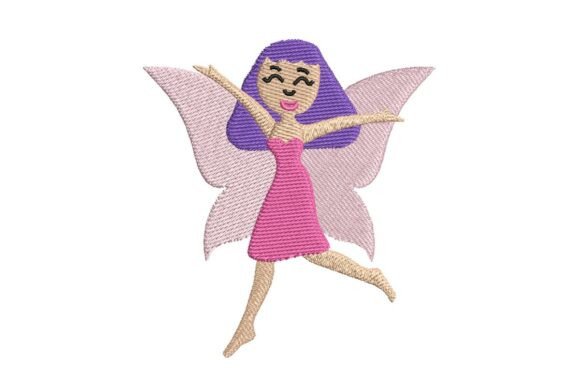
A Designer’s Review of the Pink Hair Fairy Embroidery Design
As someone who both creates and critiques embroidery designs for real-world projects, my first task is always to look past the digital preview and imagine how a file will actually behave when the needle meets the fabric. Today, I’m considering the Pink Hair Fairy Embroidery Design—a whimsical fairy girl machine embroidery file that promises to add a sprinkle of magic. The immediate impression is one of joyful, playful charm, which is exactly what the description suggests. But charm alone doesn’t guarantee a successful project. Let’s walk through what this design feels like from a practical, project-ready perspective.
The Mood and Personality: Where This Fairy Belongs
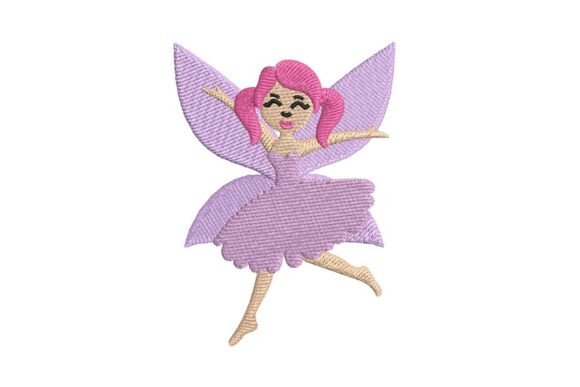
This design creates a lighthearted, magical mood. The pink hair and lavender wings establish a soft, fantasy color palette that feels friendly rather than intimidating. The layout and detail level suggest a design meant to be a focal point, not a tiny accent. Its visual personality is distinctly whimsical, landing it squarely in the Fairy Tales category, but with a modern, cheerful twist. This isn’t a stern, classic fairy; it’s a joyful one. That personality tells me it naturally belongs on projects meant to delight: children’s items, personalized gifts, or boutique products that aim for a smile.
For instance, imagine you’re preparing a custom embroidered tote bag for a small shop’s spring collection. This fairy design wouldn’t just decorate the bag; it would set the tone for the entire product line—playful, handmade, and special. The same applies to a baby’s blanket or a child’s sweatshirt. The design’s theme isn’t just decorative; it’s storytelling.
Performance in Real-Life Embroidery Projects
So, how does this machine embroidery design translate to real stitches? For custom apparel like t-shirts and sweatshirts, its overall shape and presumed stitch density (based on the visual detail) will require a solid stabilizer choice, especially on stretchy fabrics. On a stable fabric like a tote bag or a pillow cover, it should flourish, provided the hoop size is adequate for the design’s dimensions.
For patches, aprons, or kitchen towels, the design’s joyful character could turn a simple functional item into a cherished gift. As an embroidery file intended for commercial embroidery, it would work well for small business merchandise, Etsy listings, or craft fair products aimed at a niche that loves fantasy and color. Its appeal in printable mockups for digital product sellers is high—it’s visually engaging and clearly communicates its theme.
However, its use on caps or curved surfaces requires caution. The likely presence of finer details, like wing outlines or facial features, could lose clarity on textured or curved fabrics. This isn’ a critique of the design itself, but a standard note for any embroidery project with similar detail: always consider the substrate.
Careful Considerations: Where to Use (And Where to Test First)
Every design has optimal and suboptimal applications. For the Pink Hair Fairy Embroidery Design, I would be mindful of a few scenarios. Small hoop sizes might compress the details, making satin stitches or fill stitches too dense. On thin or dark fabrics, the thread color contrast for the pink hair and lavender wings is crucial—you’d want to test those colors on your actual fabric background first.
Layered garments or products that need frequent washing demand a robust stitch construction. Without knowing the exact stitch count or density from the file, my advice is universal: test the design on scrap fabric first. This step reveals everything: the true stitch density, the behavior of small details, and whether the design maintains its whimsical clarity after stitching.
Also, inspect how the design would work in black and white mockups for licensing or presentation purposes. This helps gauge its form independently of its charming color palette. For commercial projects and selling finished items, confirming the licensing terms is an absolute must before any needle touches a product destined for sale.
The Impact on Product Value and Customer Perception
From a business and craft perspective, using a design like this affects more than just aesthetics. On a finished product, its visual appeal directly influences perceived value. A well-embroidered, joyful fairy on a baby item or a holiday gift elevates the handmade presentation, fostering customer trust and engagement. It feels intentional and professional.
For a creative entrepreneur, such a design can aid brand consistency if your shop’s theme aligns with whimsy and magic. Its giftability is high—it’s a recognizable, friendly motif that doesn’t require explanation. For an apparel decorator or Etsy seller, it’s a digital embroidery file that can be adapted across products, from aprons to nursery decor, creating a cohesive line without designing each item from scratch.
Practical Notes for the Embroidery Designer
Before loading this file into your machine, here’s a quick mental checklist. Review the implied stitch areas from the preview—are there densely packed sections that might require tweaking for your fabric? Confirm the hoop size needed; don’t assume. Use the proper stabilizer for your chosen fabric texture, be it a stiff canvas for a tote bag or a light knit for a baby clothes.
Plan your thread colors. The described lavender wings and pink hair suggest a specific palette, but you might adjust for contrast on dark backgrounds. Check the design’s small details, like any potential tiny accents, to ensure your machine and thread weight can render them clearly. Finally, always verify whether the design’s licensing covers both personal and commercial projects. This is the bedrock of a professional, ethical craft business.
Final Thoughts: A Sprinkle of Practical Magic
The Pink Hair Fairy Embroidery Design, from a reviewer’s lens, is a design with a clear, joyful purpose. It isn’t just an embroidery file; it’s a potential centerpiece for projects that aim to convey whimsy and delight. Its success, however, hinges on the thoughtful application of basic embroidery principles: testing, stabilizing, and matching the design to the right product.
For the maker preparing a boutique pillow cover, the small business owner creating embroidered patches, or the hobbyist crafting a personalized wedding gift, this design offers a strong thematic starting point. Handle it with the practical care any detailed embroidery design deserves, and that sprinkle of magic it promises will materialize beautifully in the stitches, and ultimately, in the smile of whoever receives the finished product.